February 2023
In 2023 OUR PRIMARY focus was on SITE ASSESSMEnT AND STAKEHOLDER ENGAGEMENT.
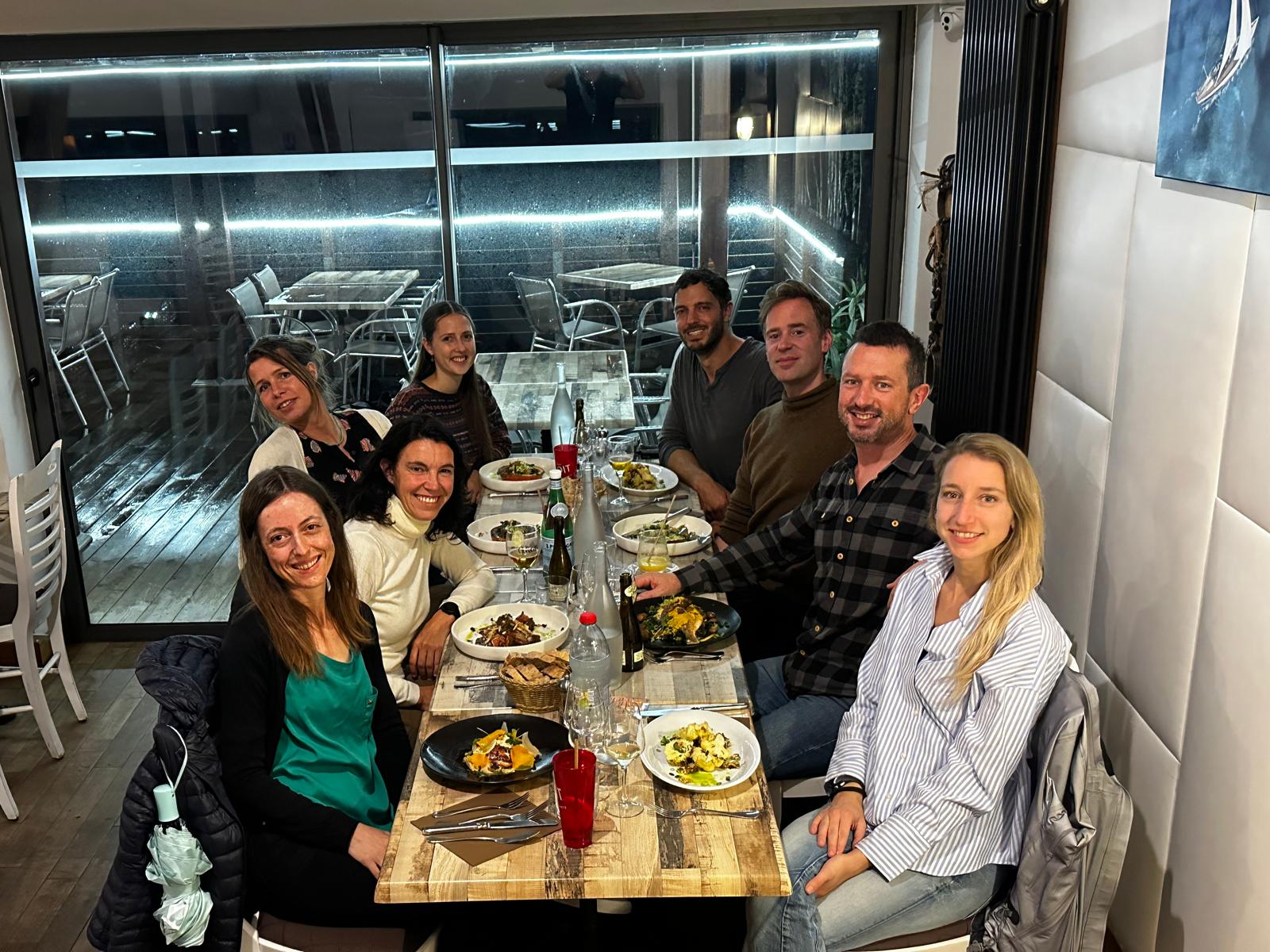
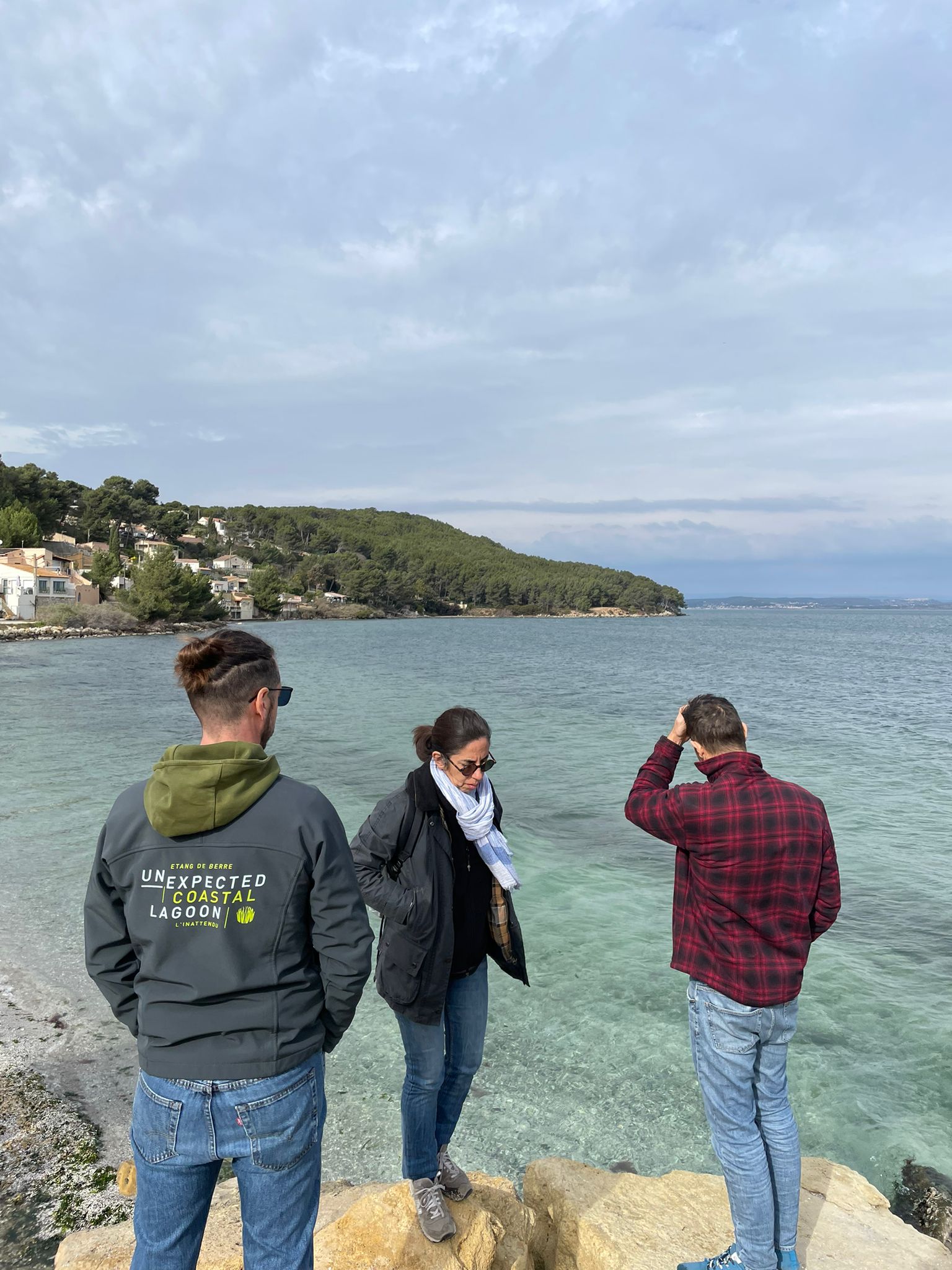
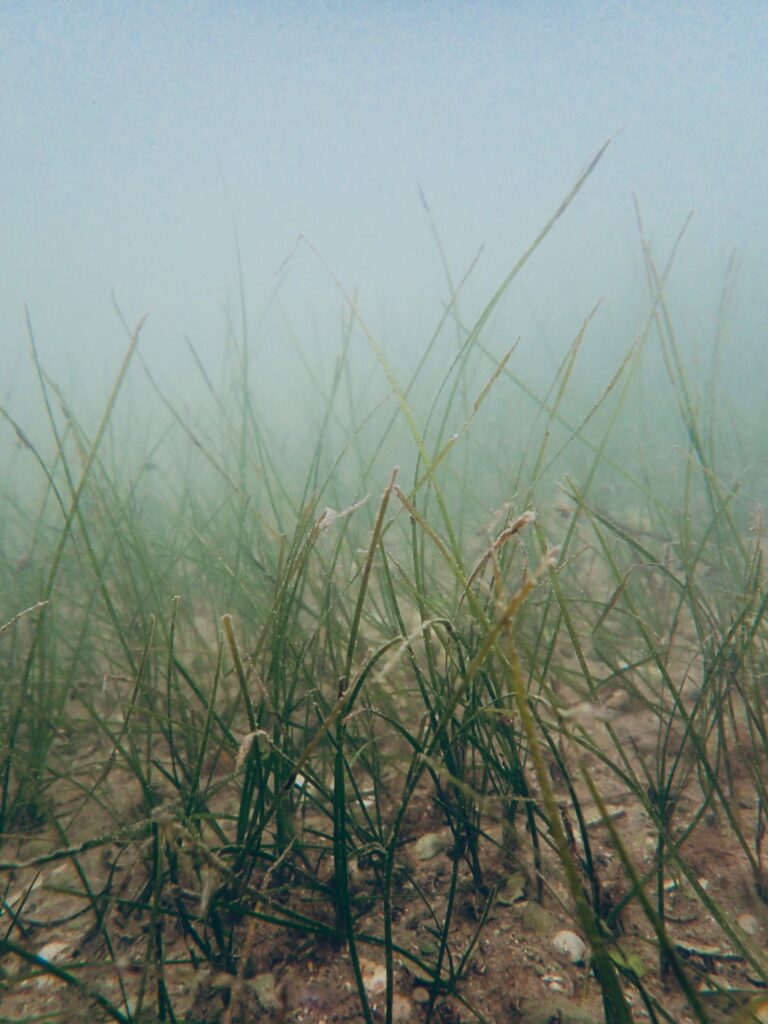
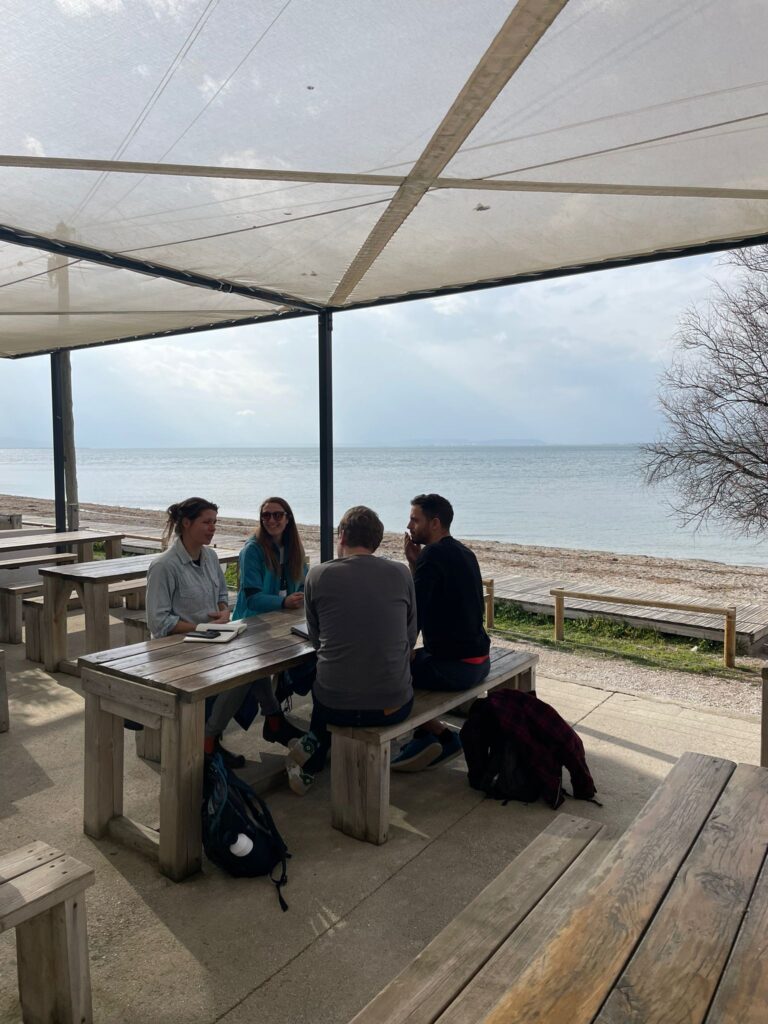
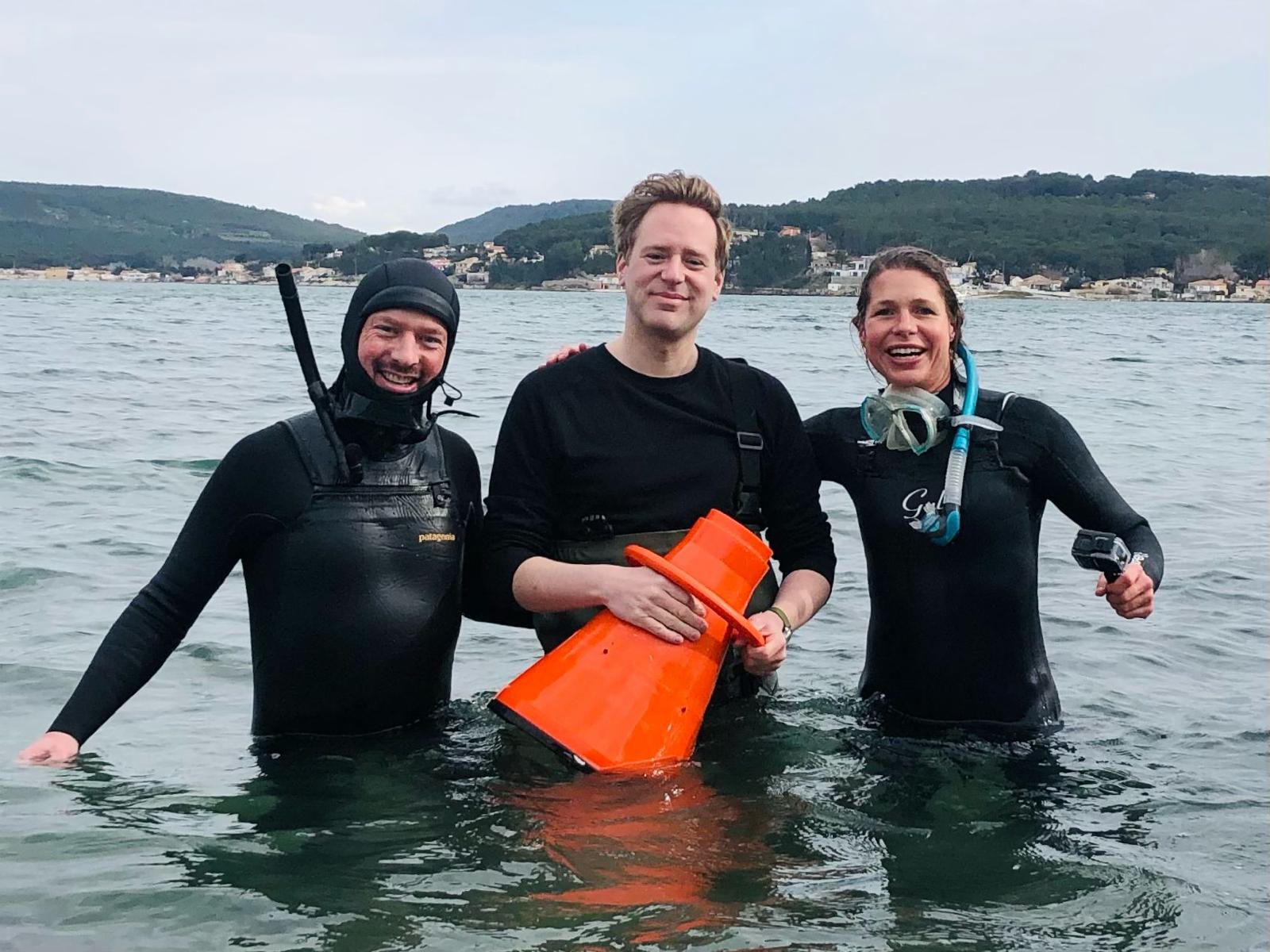
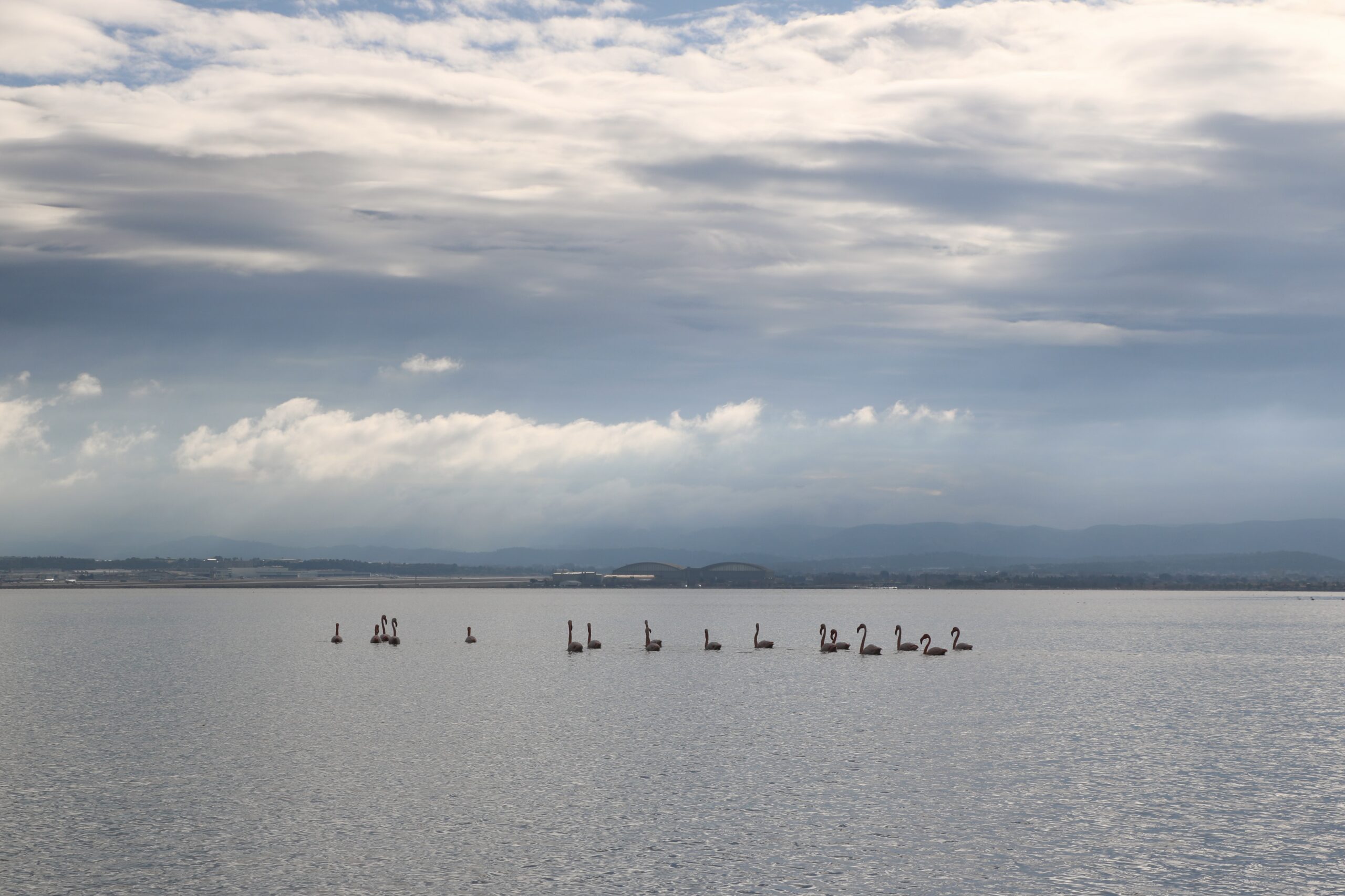
In February 2023, The Seagrass Consortium visited GIPREB and the Étang de Berre in Bouches-du-Rhône, France.
The principal focus of the meeting was to explore the opportunity for collaborative action to accelerate the restoration of the seagrasses of the Étang de Berre. At this point the lagoon was showing signs or recovery, with GIPREB having mapped the total area of seagrass at 25.2ha, which represented the largest area of seagrass recored since it’s collapse after creation of the hydroelectric plant at St Chamas (Centrale hydroélectrique de Saint-Chamas) in the 1960s. However this area was still far short of the 1500ha required to meet EU Water Framework Directive obligations and so effort was required to accelerate the lagoons recovery.
May 2023
Following the visit to l’Étang de Berre, the team spent Spring 2023 conducting thorough ecological and environmental analyses of the two other prospective restoration sites.
We then held an Online Workshop to develop and coordinate plans for co-ordinating active restoration implementation, first in the Nationaal Park Oosterschelde and then later within le Parc naturel marin du Bassin d’Arcachon.
The principal focus of the meeting was to establish the scientific protocols and logistics for restoration implementation based on the best available data.
May 2023 marked the official ‘start’ of Oosterschelde project, with work mainly focussed on finalising permitting requirements and the subsequent prepartion for first transplanting in June.
June 2023
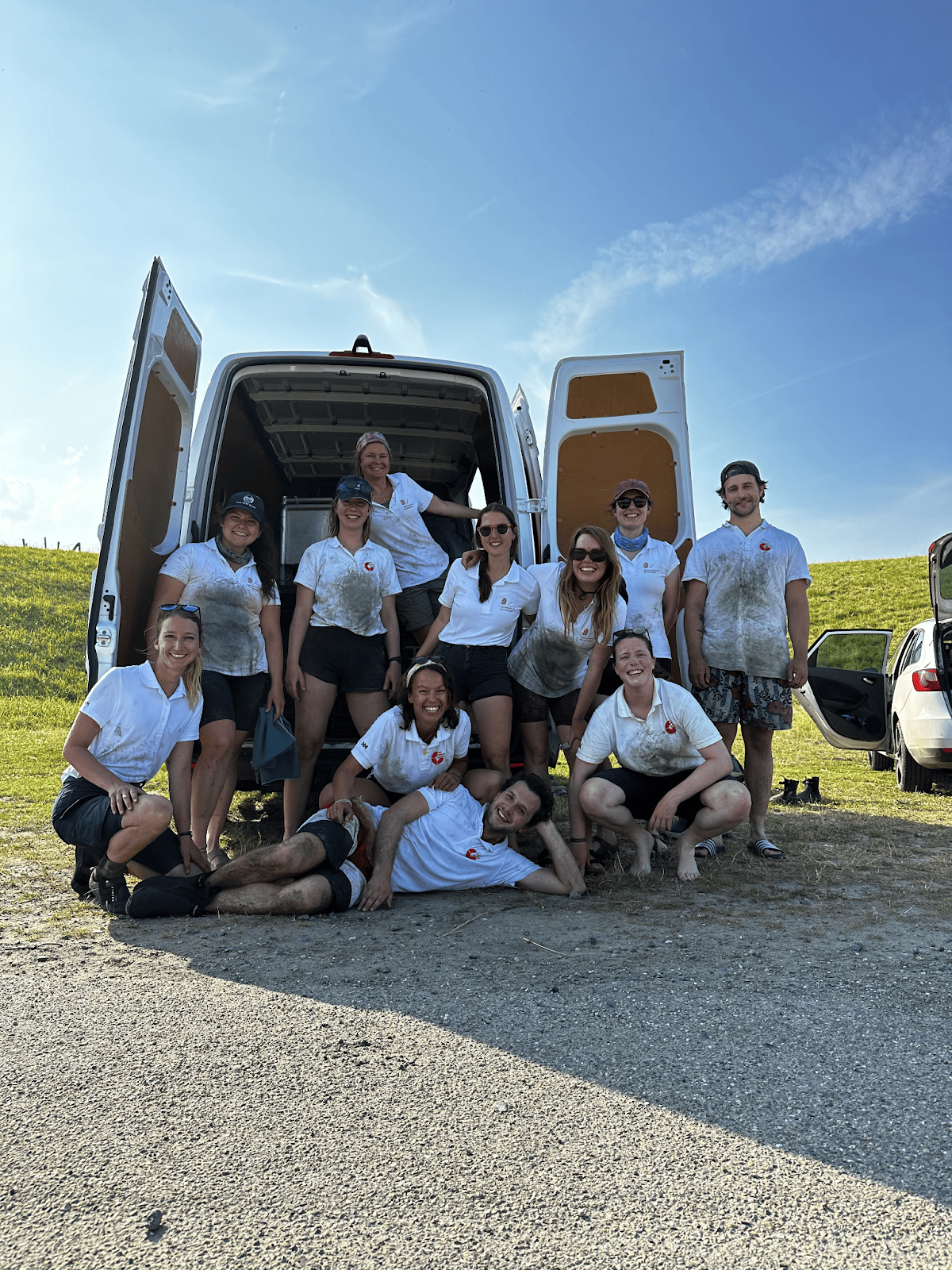
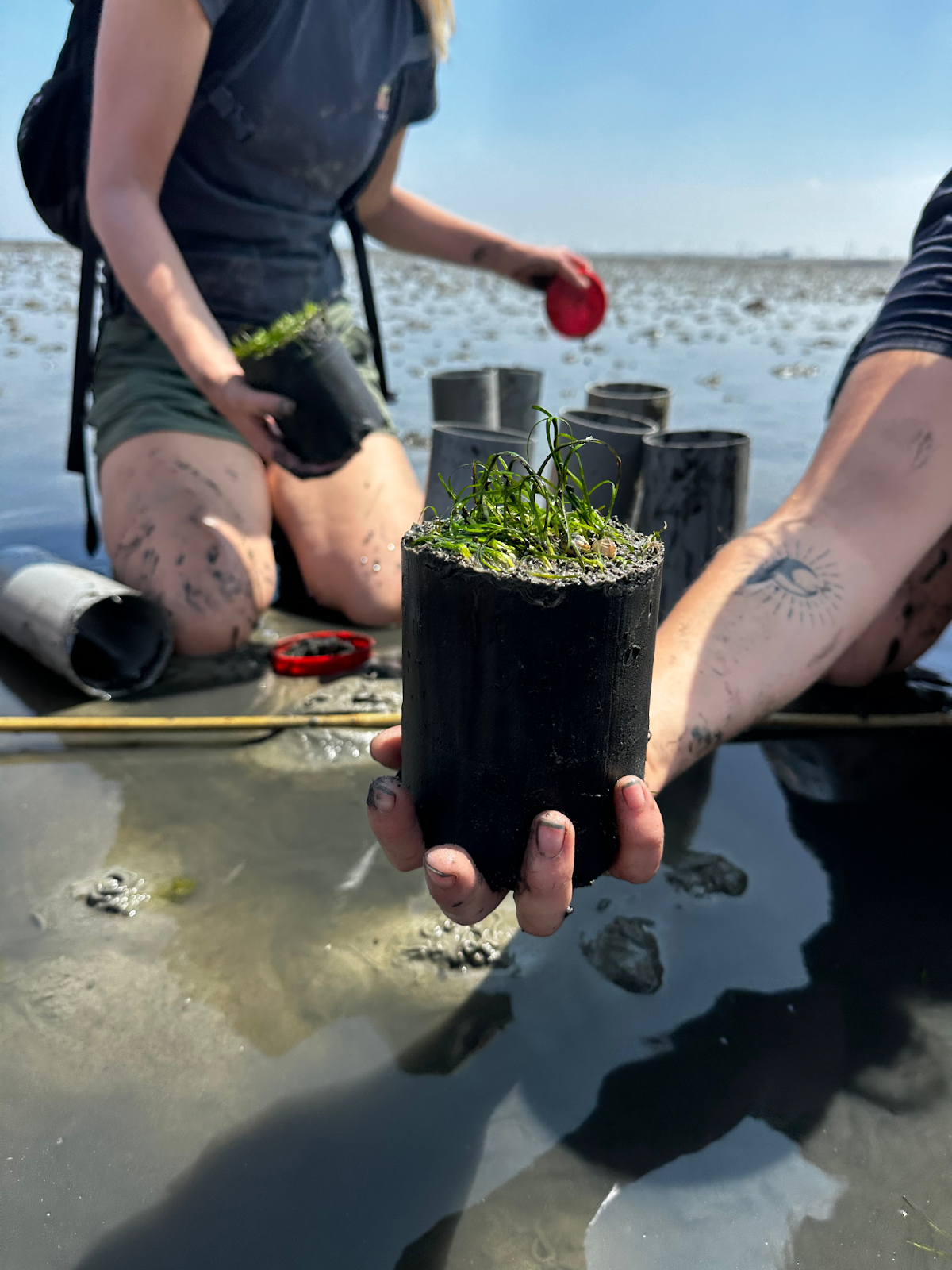
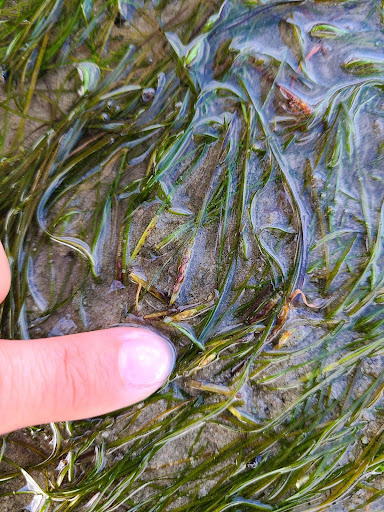
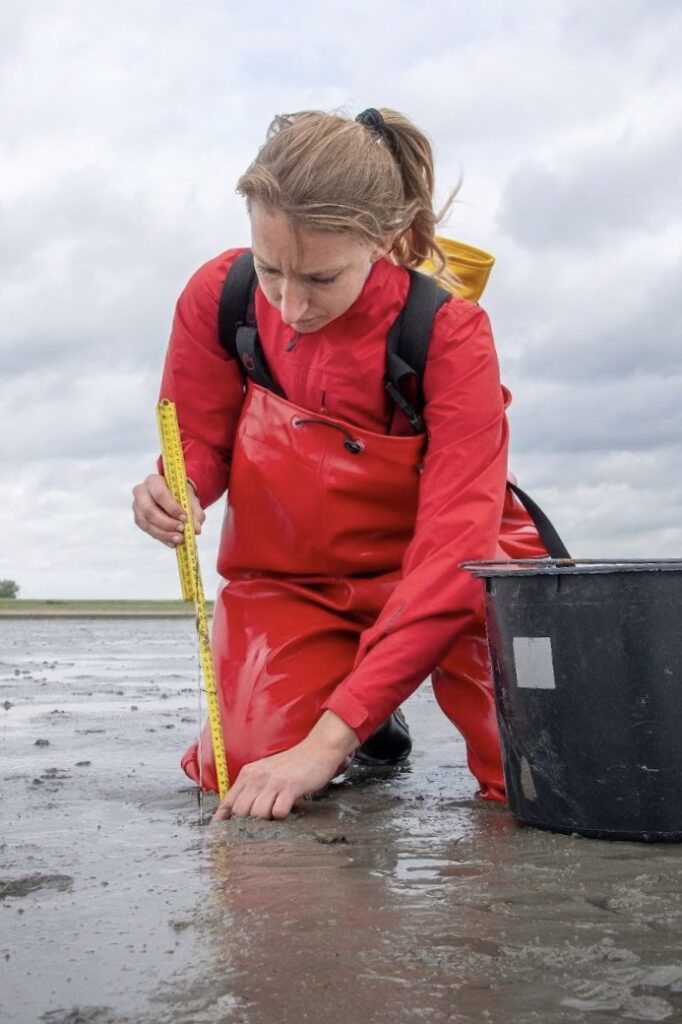
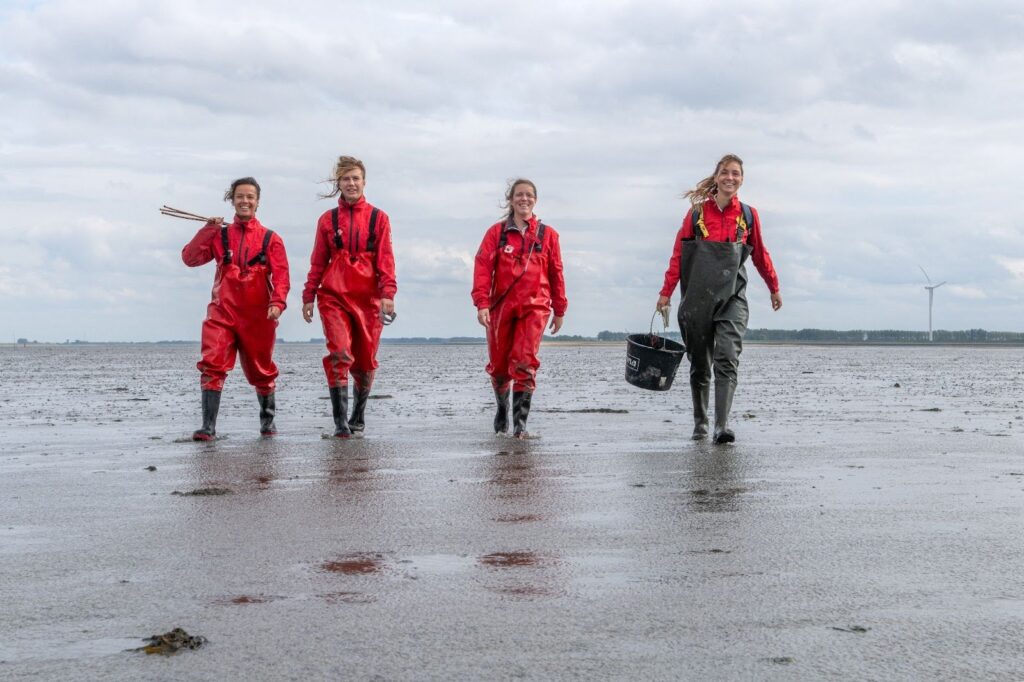
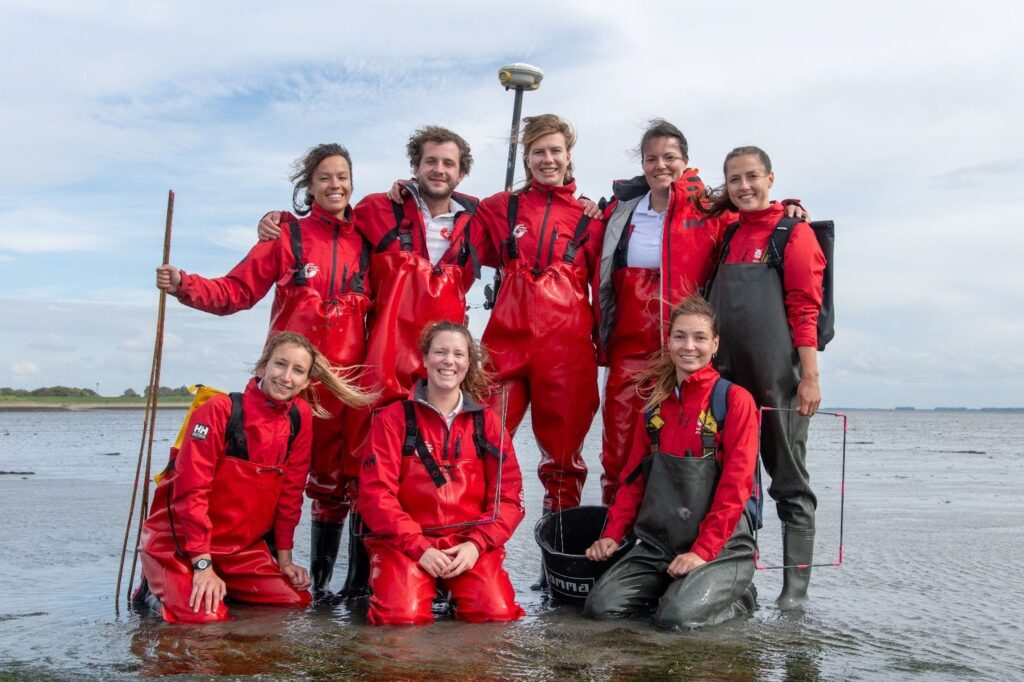
In June we began actively transplanting Zostera noltii in the Nationaal Park Oosterschelde. In order to identify those sites within the marine system where active seagrass restoration was possible, a combined Rijksuniversiteit Groningen and Sea Ranger Service team transplanted seagrass sods across 13 sites. In this first year (2023-2024), the process of transplanting seagrass across a number of locations helps to identify those areas most suitable transplanting.



July 2023
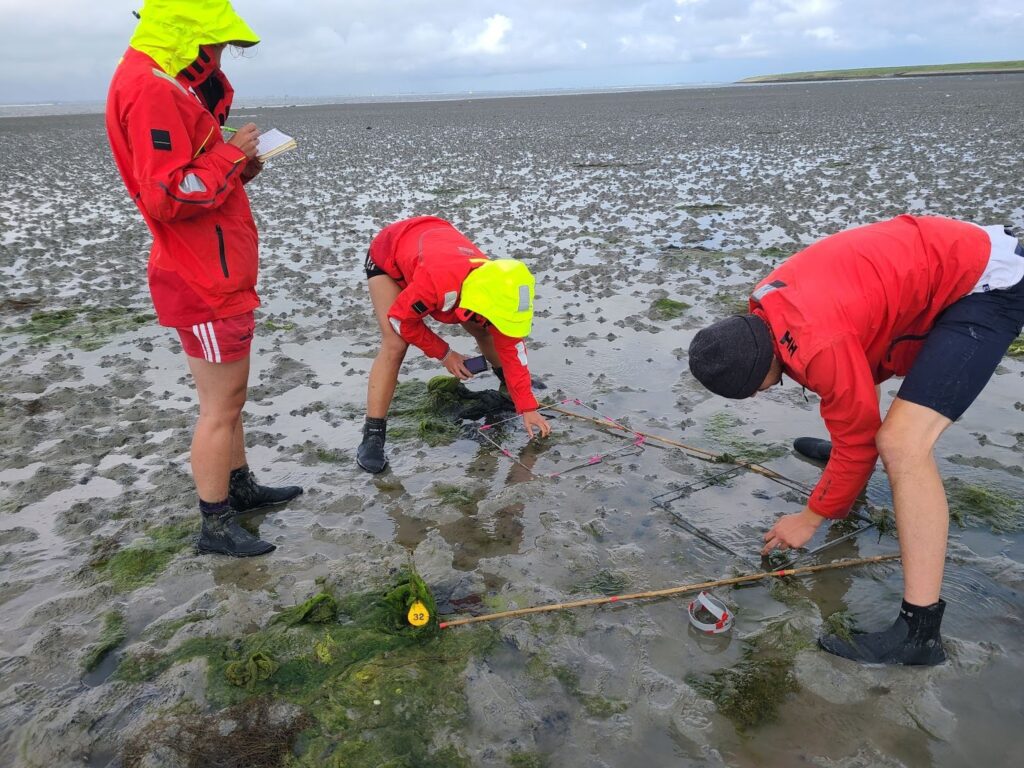
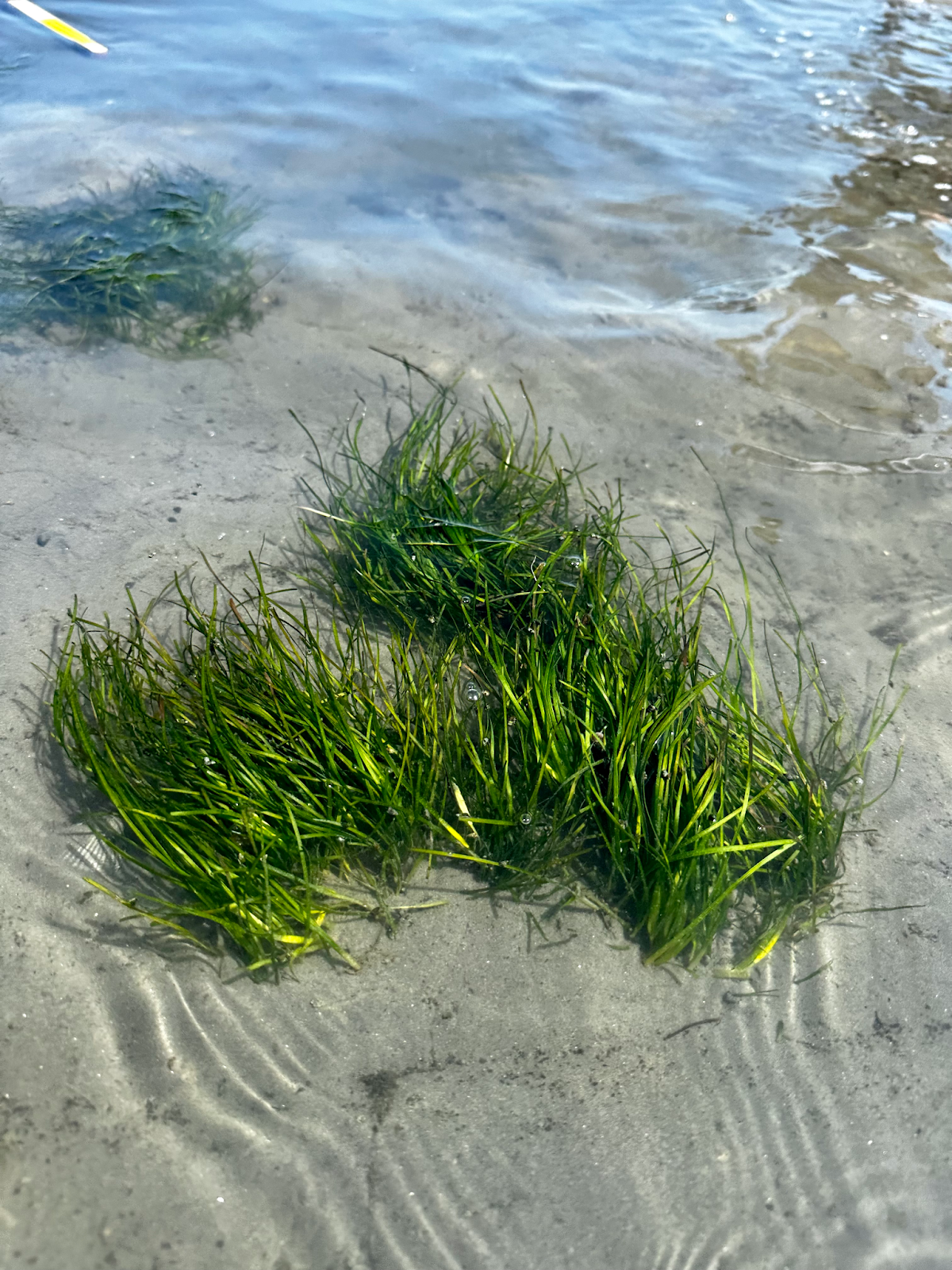
In July 2023 we conducted our first monitoring of the transplanted seagrass sods at each of the thirteen sites where we had transplanted seagrass in June. At this stage (1 month later), eleven of the thirteen sites where we had set up restoration ‘test stations’ still had transplanted seagrass present. We could then immediately discard two sites as not being suitable for seagrass.
August 2023
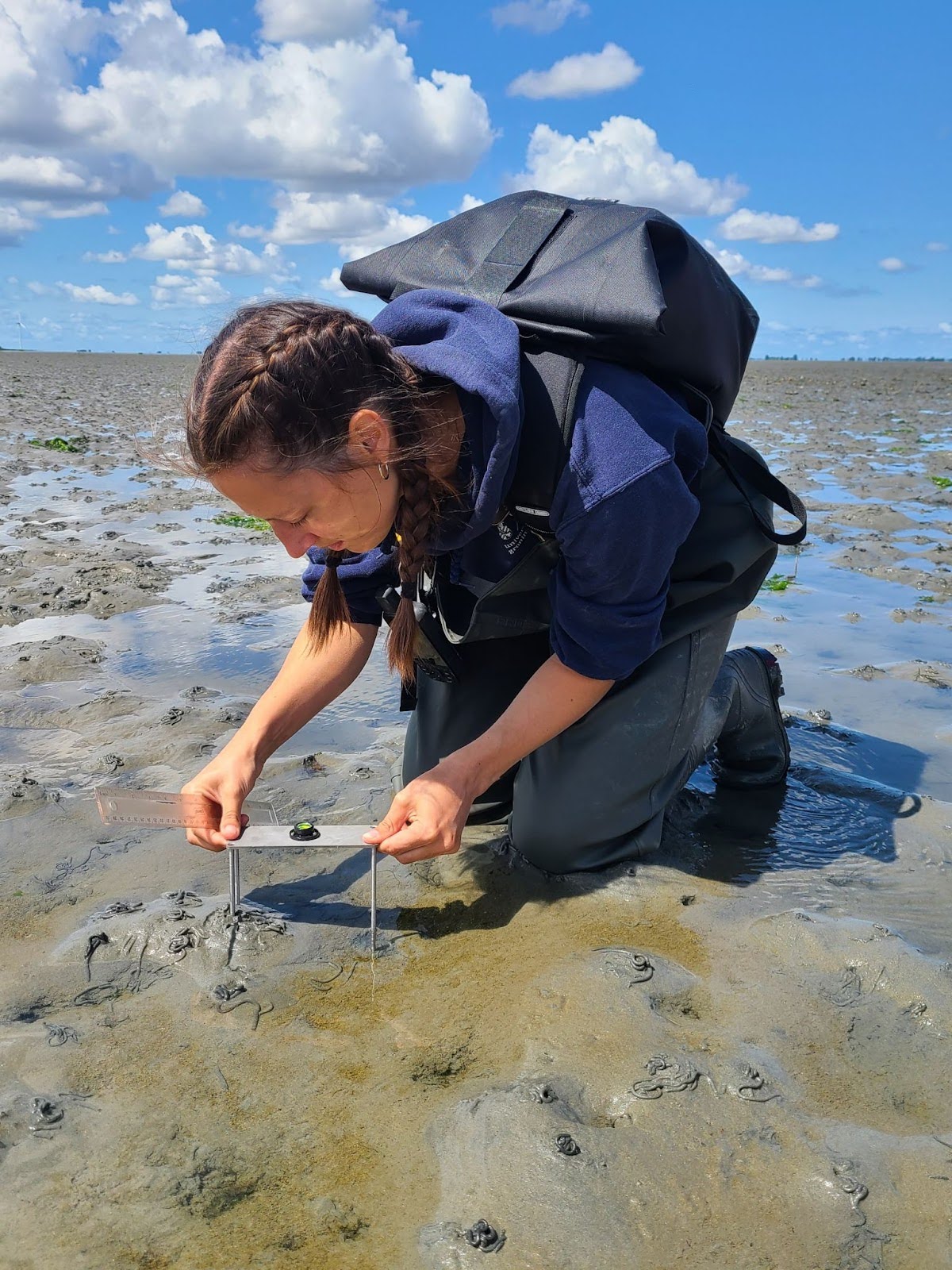
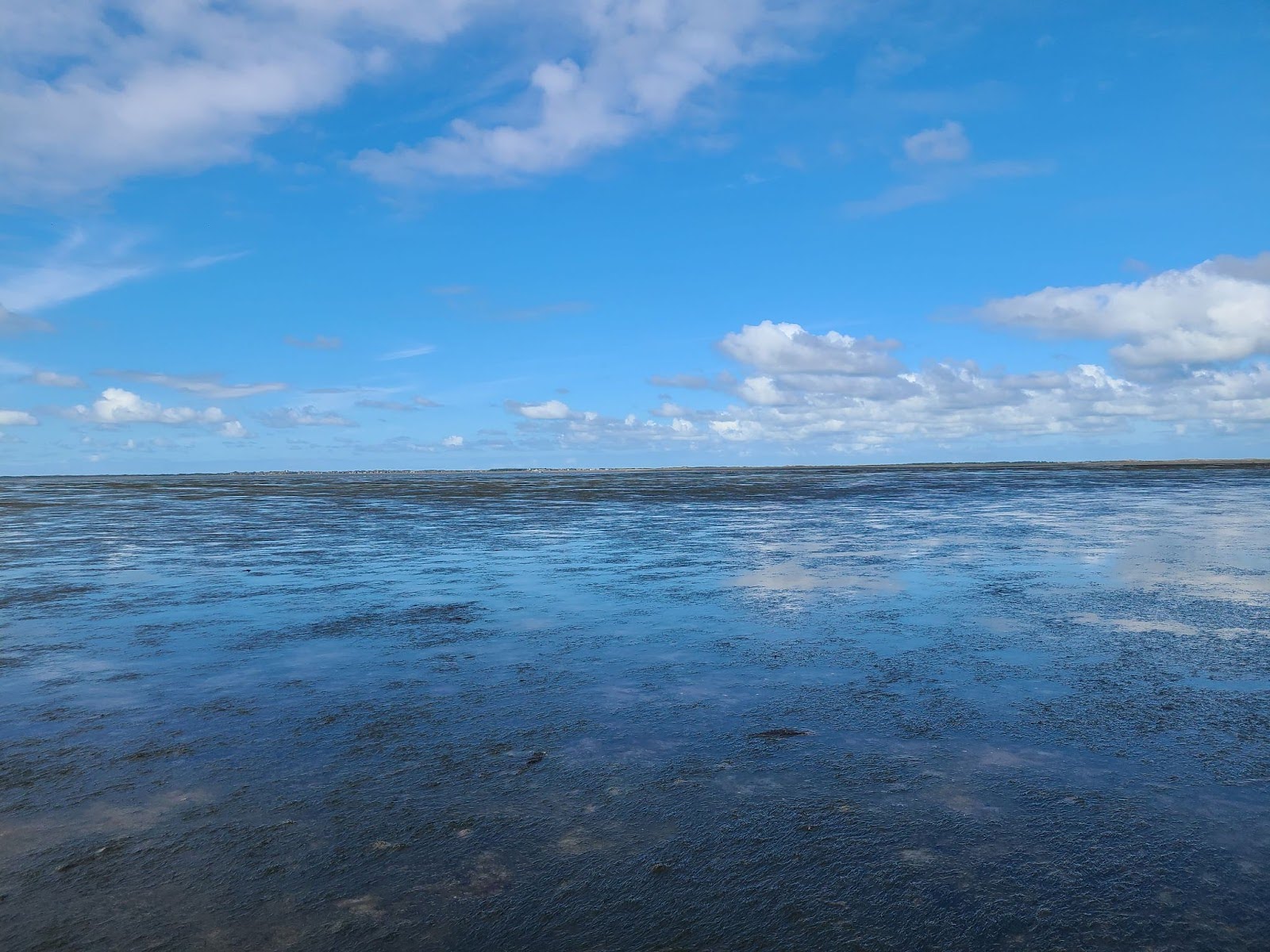
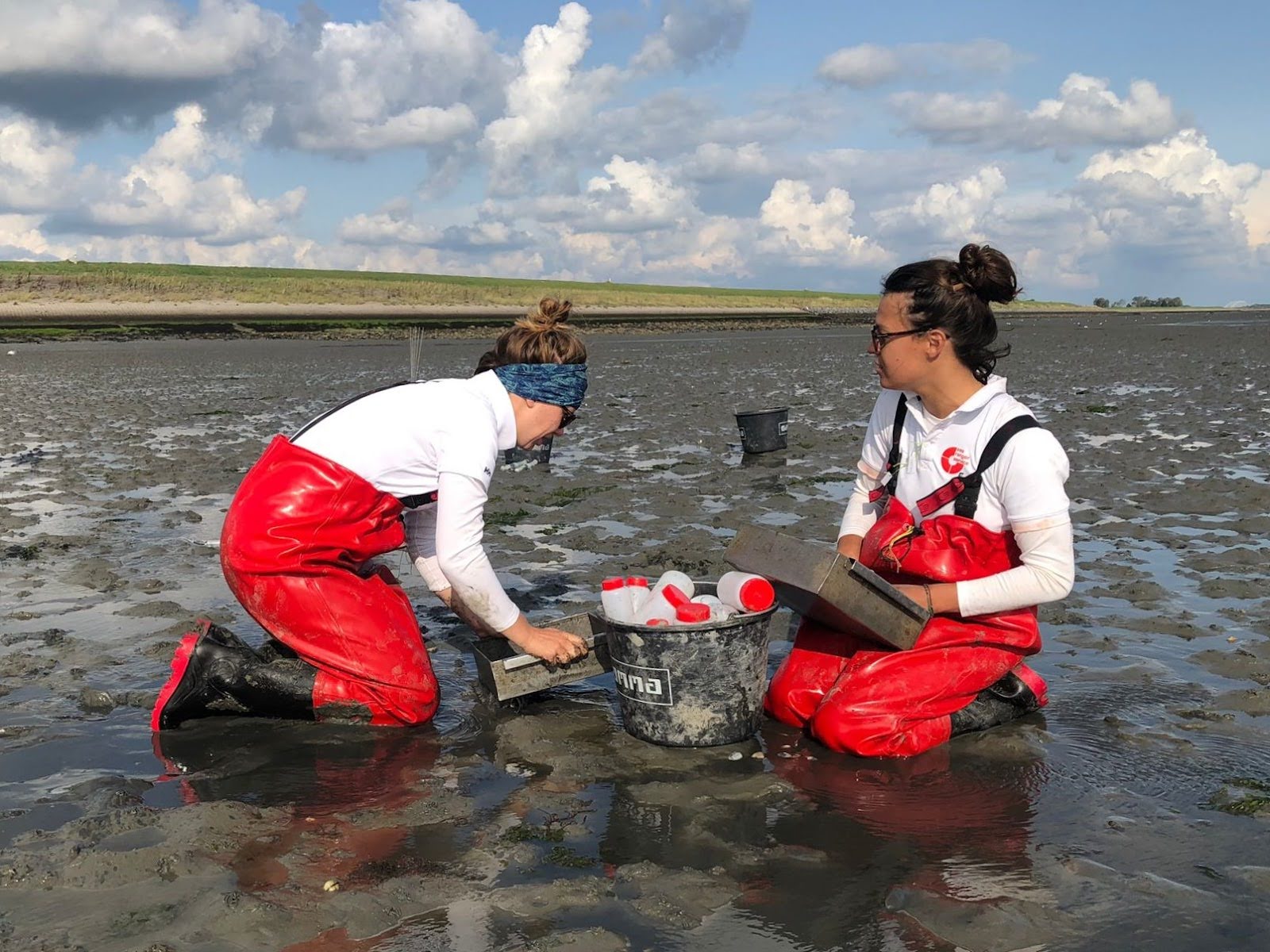
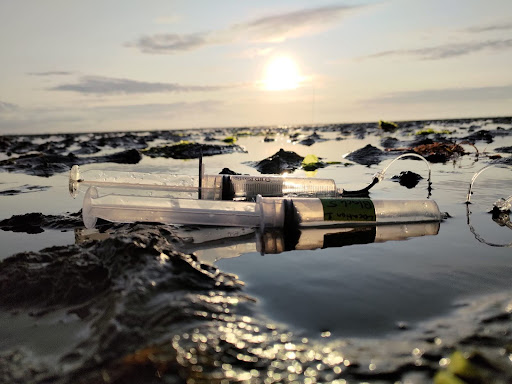
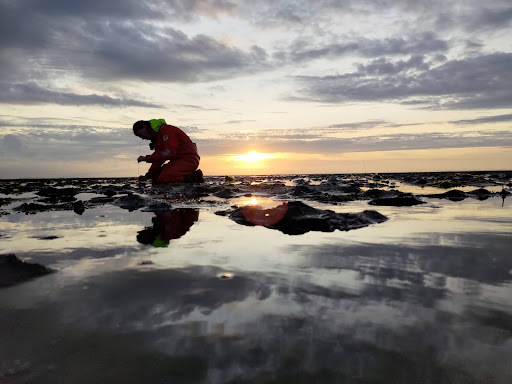
In August we did our main monitoring of 2023 in the Nationaal Park Oosterschelde. Our focus was on collecting a lot of ‘baseline’ data for the potential restoration sites. The combined Rijksuniversiteit Groningen and Sea Ranger Service team did both benthos and porewater sampling, alongside recording the number of transplanted seagrass sods surviving across the thirteen potential restoration sites.
September 2023
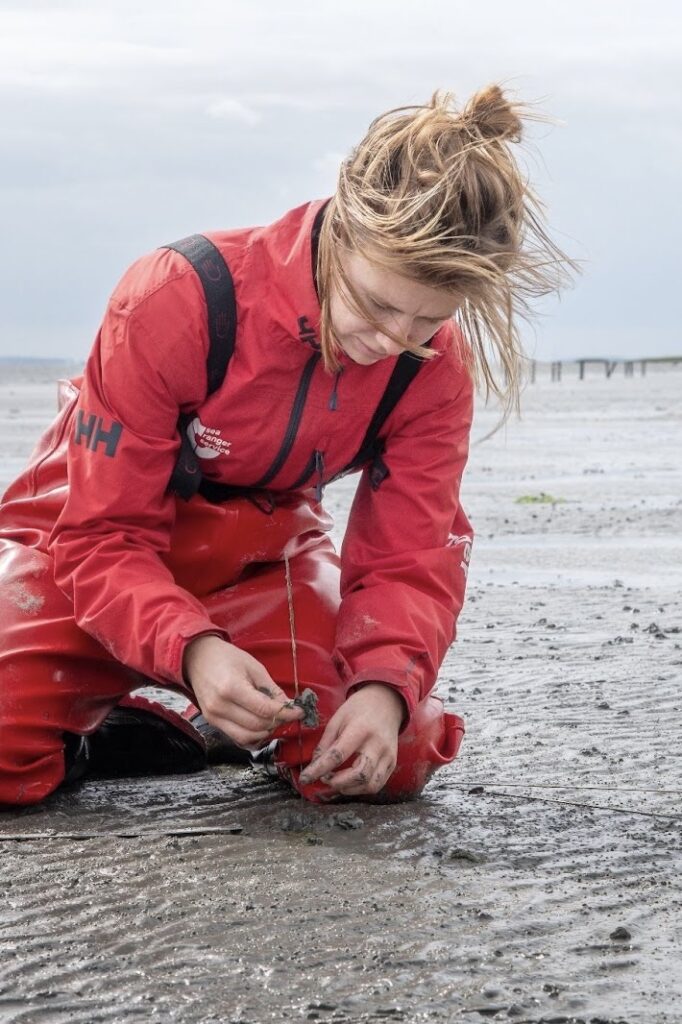
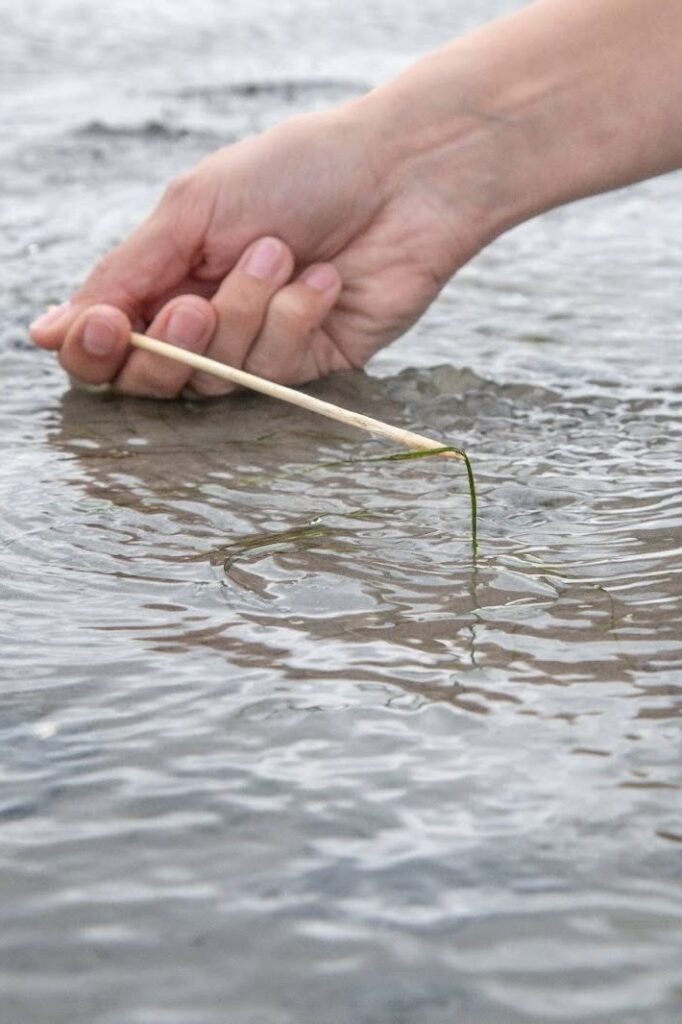
September was the third and final round of monitoring in Nationaal Park Oosterschelde and was undertaken primarily by the Sea Ranger Service under the coordination of Maite Vogel. In September seed processing was also undertaken at Rijksuniversiteit Groningen and further seed harvesting at both Sylt and Hamburger Hallig in Germany.
October 2023
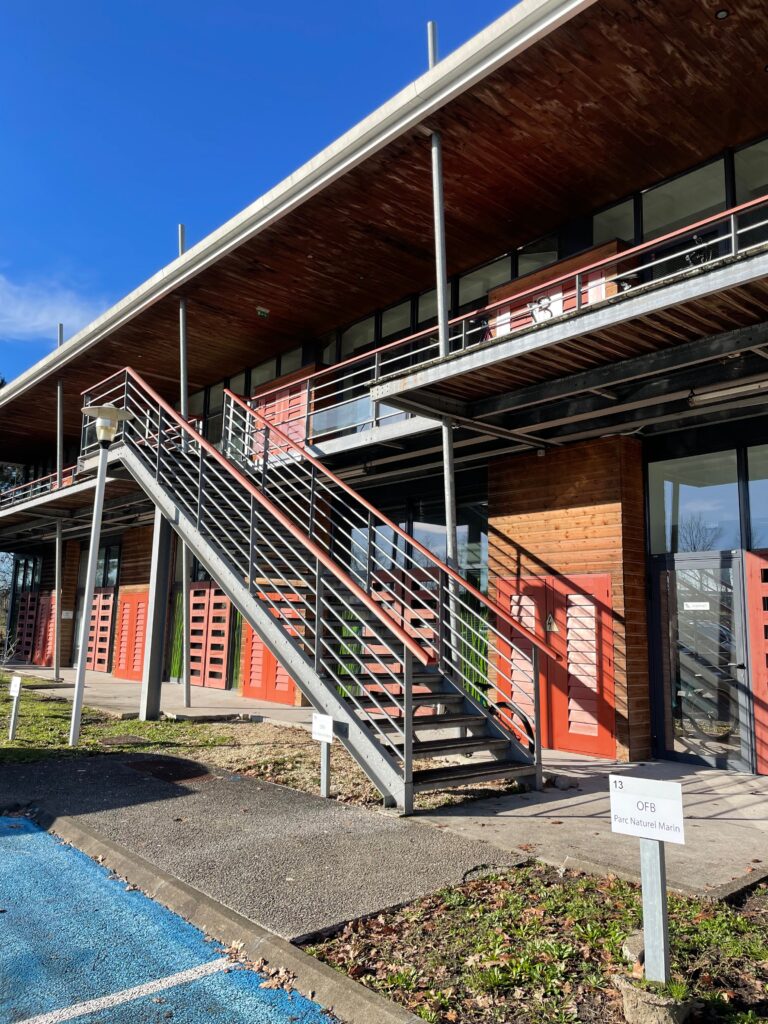
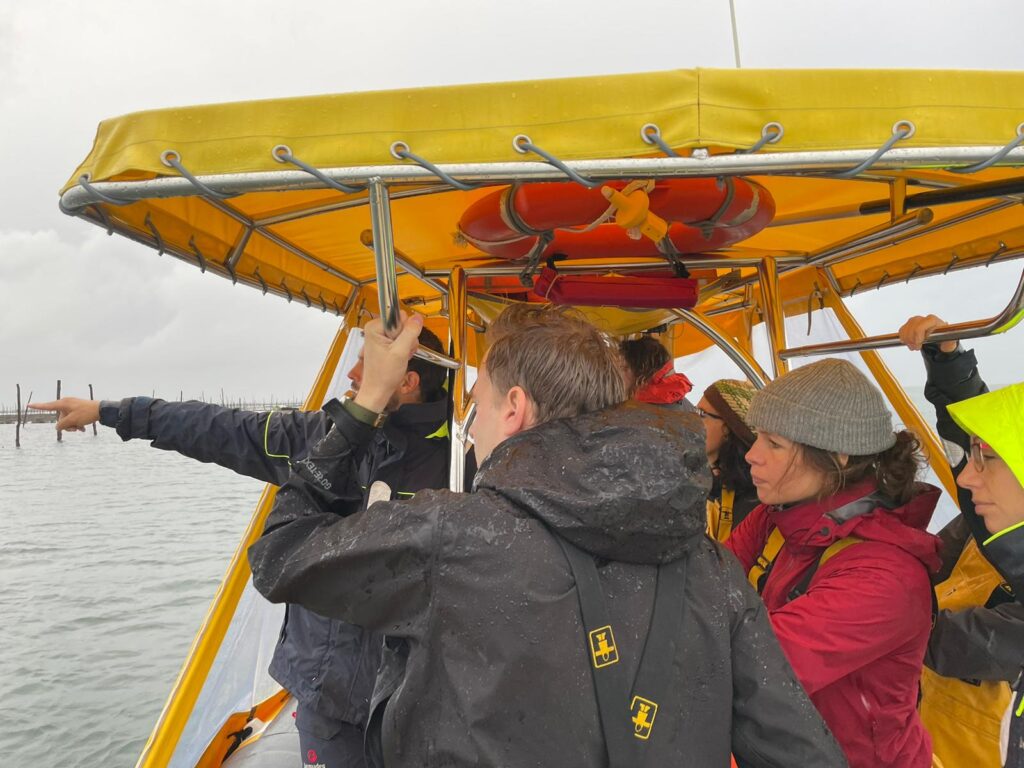
In October 2023 le Parc naturel marin du Bassin d’Arcachon hosted The Seagrass Consortium in Le Teich to concretise upcoming plans for plans large-scale restoration implementation.
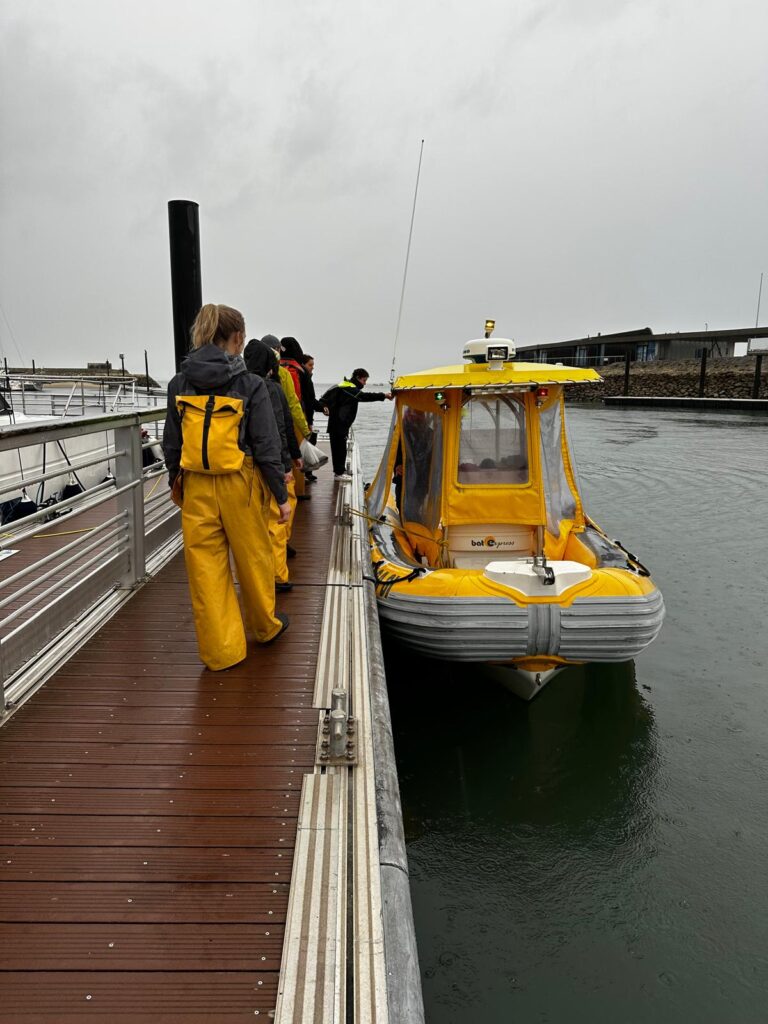
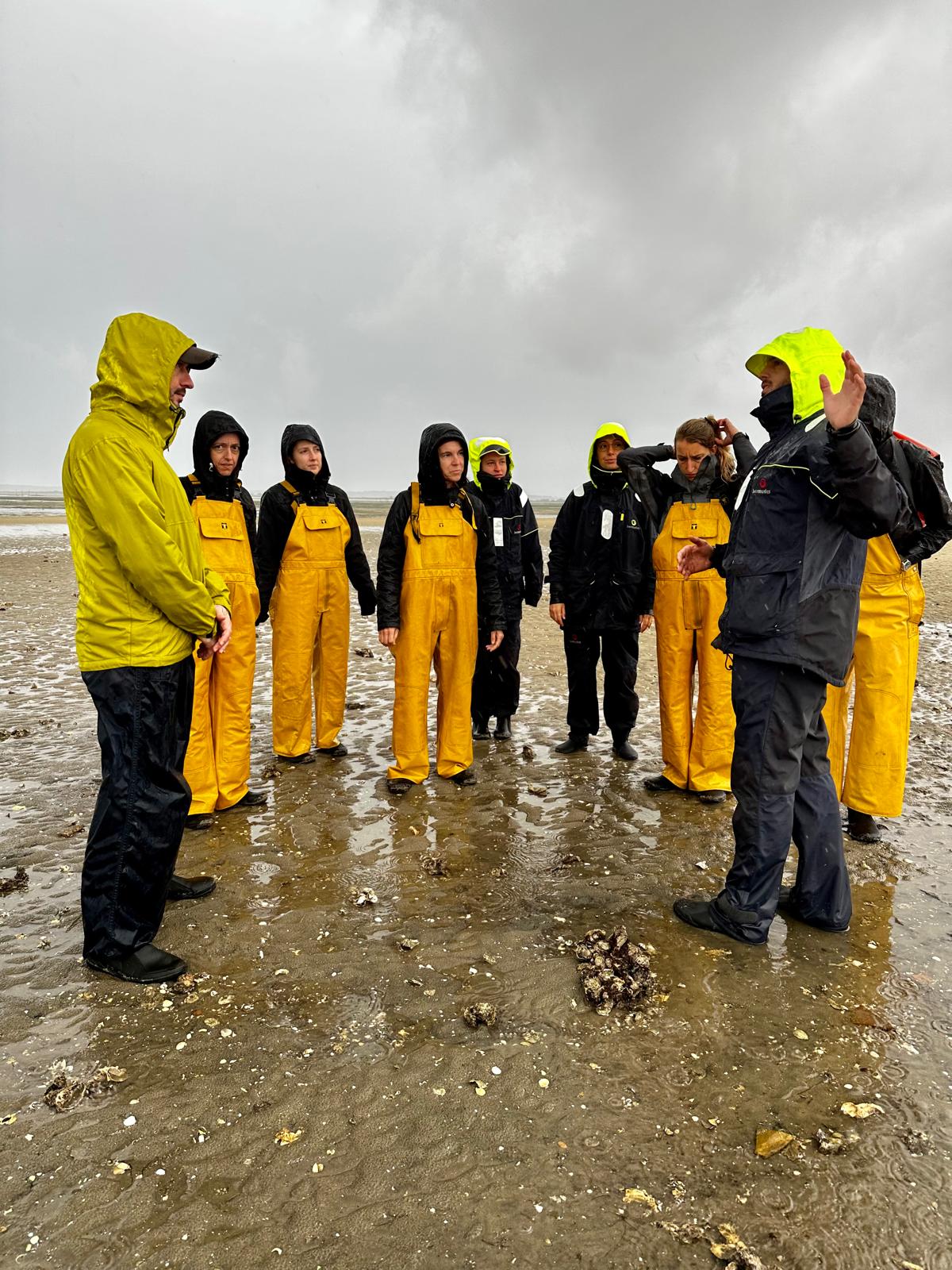
Later that month the Sea Ranger Service were deployed to undertake the first Zostera noltii transplants; specifically 1026 sods were transplanted principally at the site ‘Salines’. This site had been identified by le Parc naturel marin du Bassin d’Arcachon as one of the most suitable sites for this kind of active restoration intervention.